2026-11-11
Central Bank Officials Brief Committee on Public Finance on Private Sector Credit Growth, Inflation Target and Stability of the Banking System
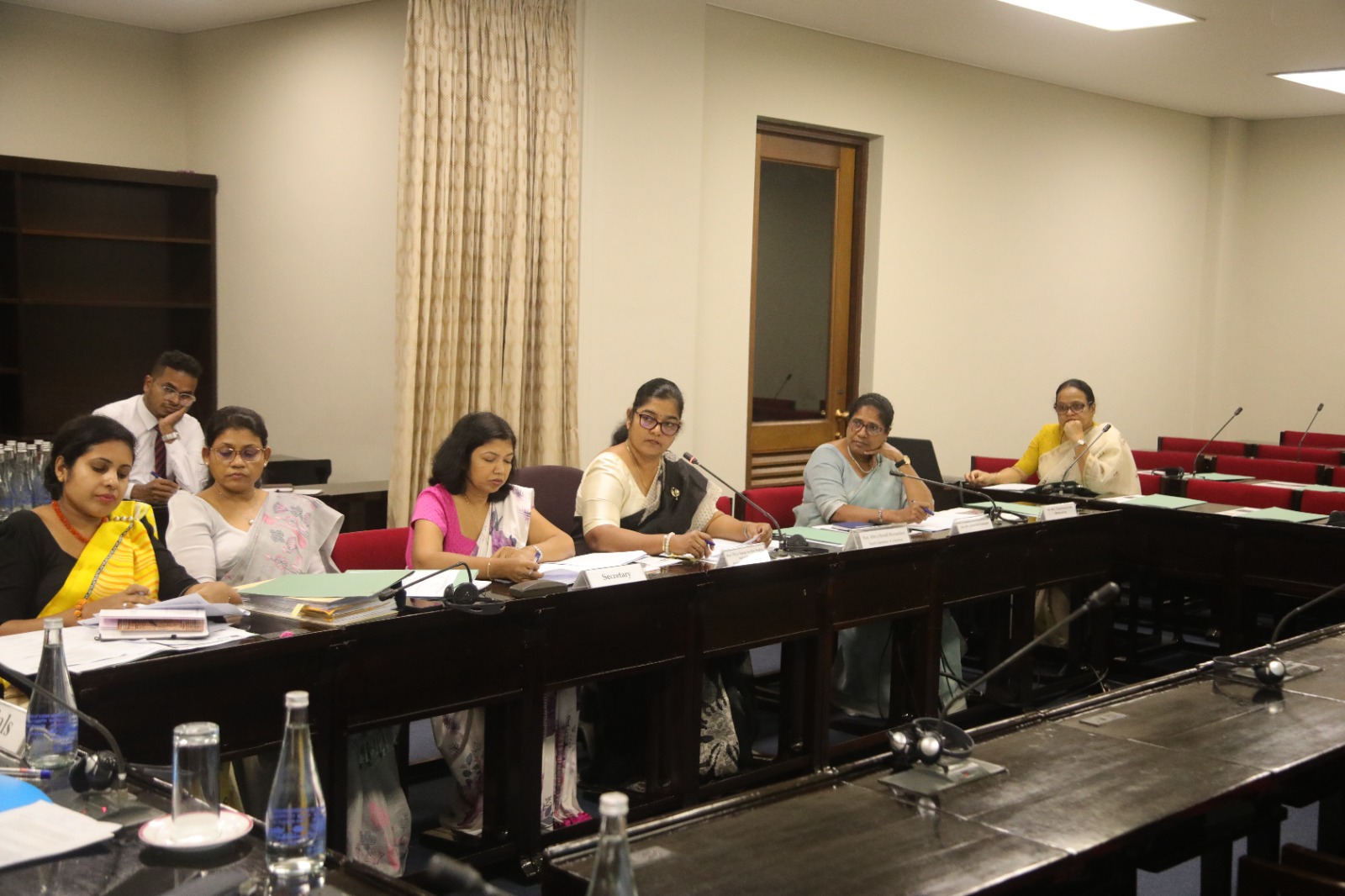
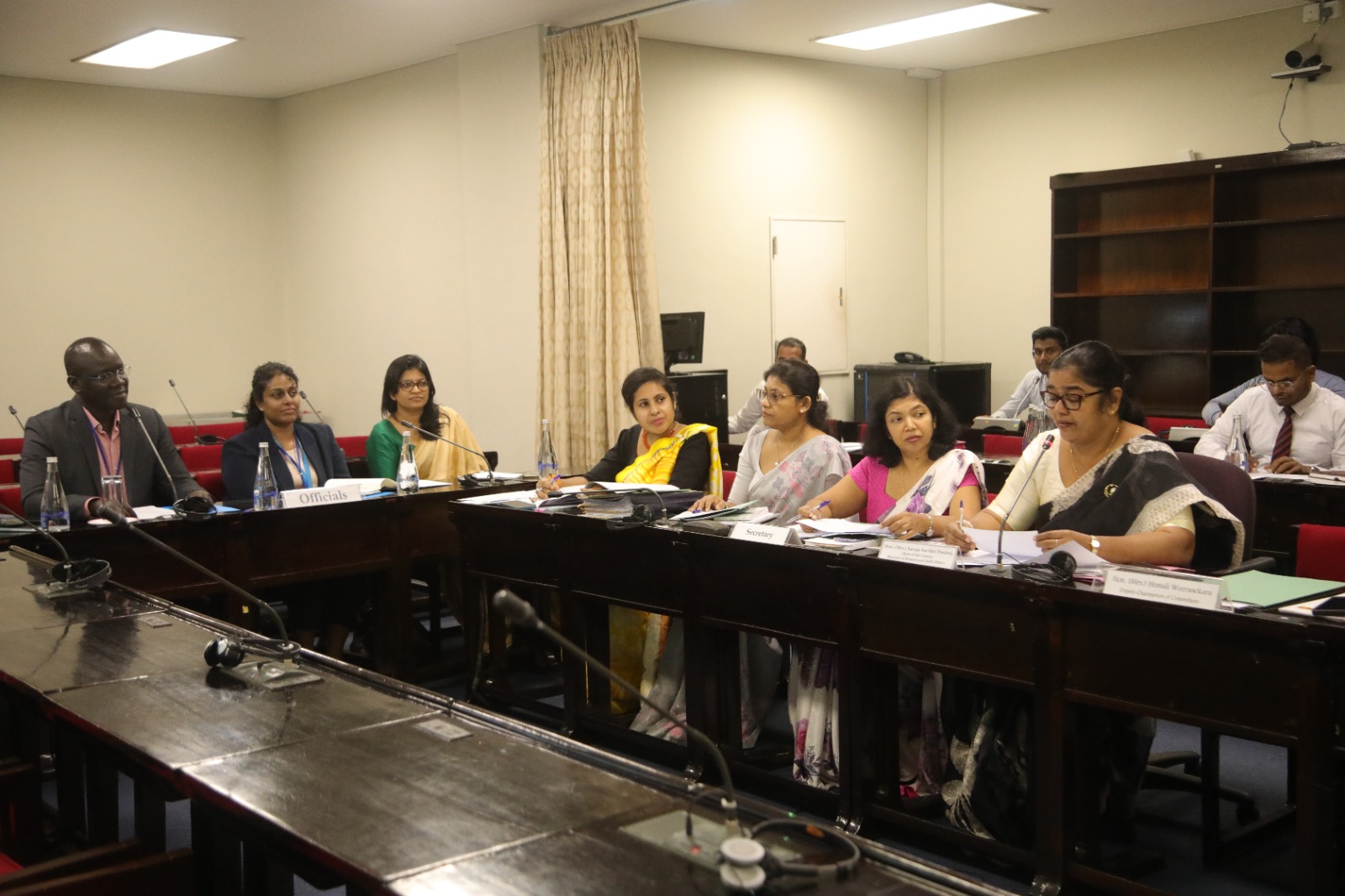
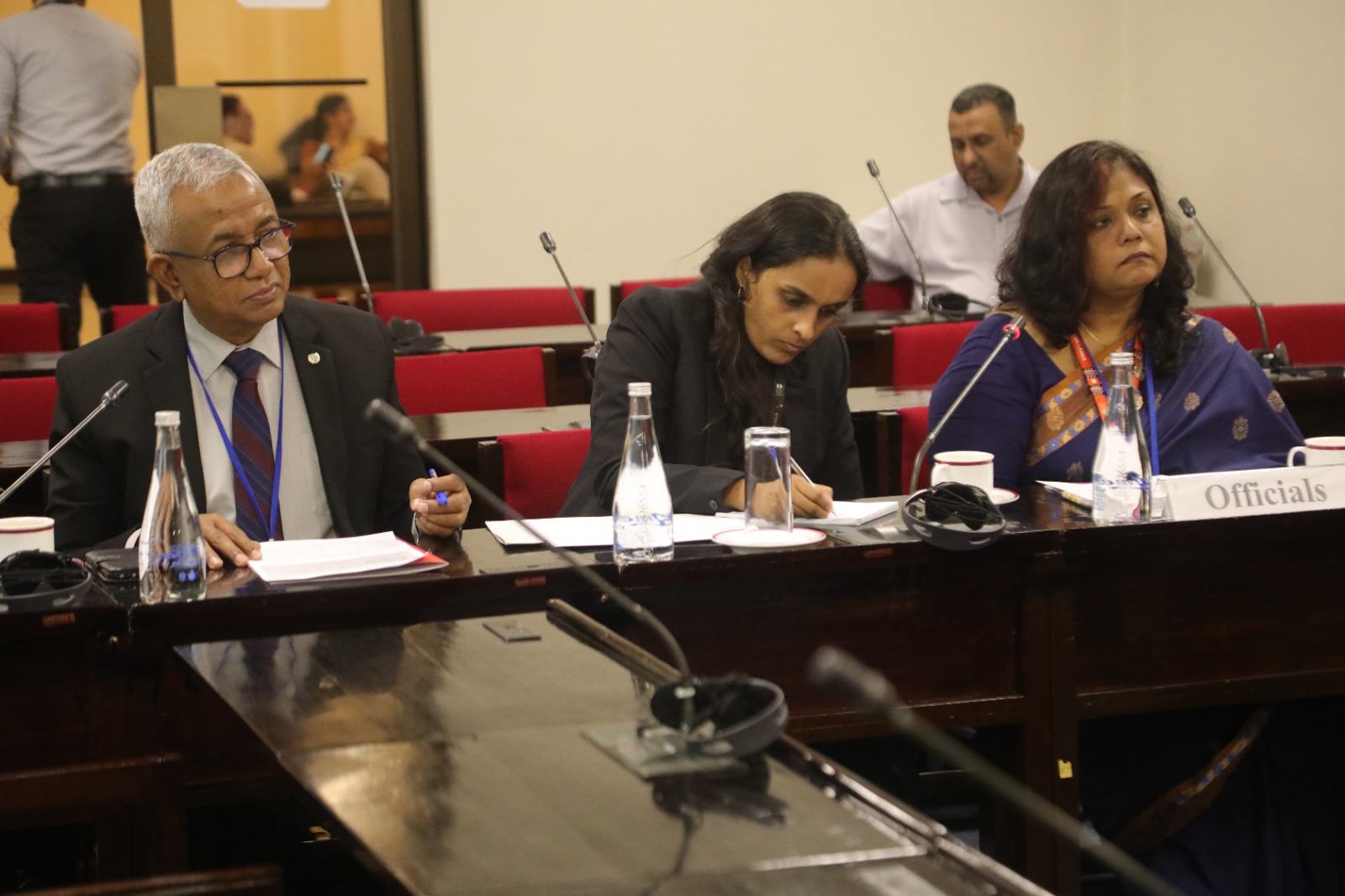
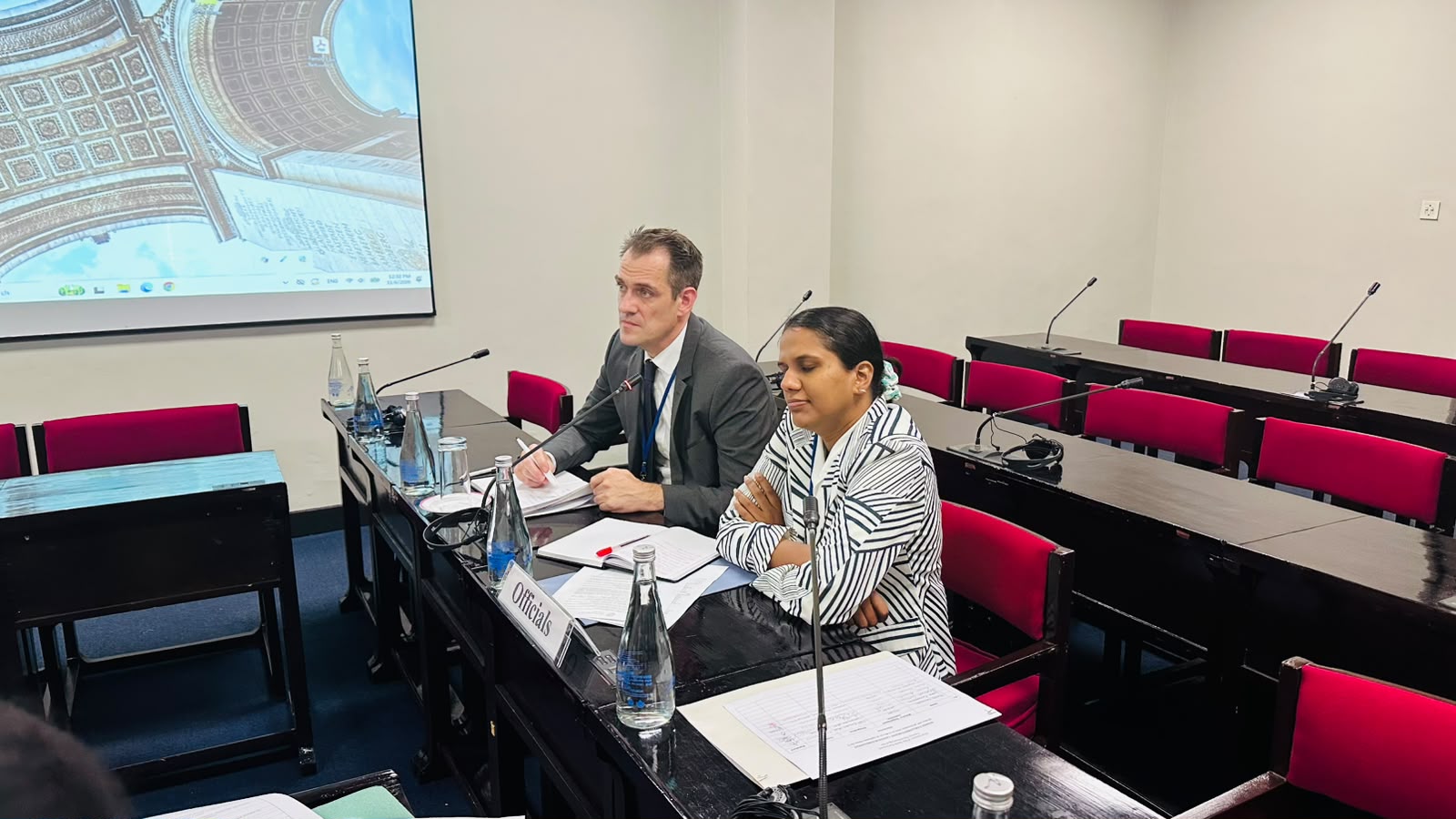
The role of the Central Bank of Sri Lanka, inflation targeting, private sector credit growth, economic growth potential and financial system stability were discussed extensively at a recent meeting of the Committee on Public Finance (COPF), held in Parliament recently under the chairmanship of Dr. Harsha de Silva, Member of Parliament.The meeting was attended by Hon. Deputy Minister Chathuranga Abeysinghe and Hon. Members of Parliament Ravi Karunanayake, Harshana Rajakaruna, Ajith Agalakada, Nimal Palihena, Wijesiri Basnayake, Sunil Rajapaksa and Thilina Samarakoon. A group of Central Bank officials, including the Governor of the Central Bank of Sri Lanka, Dr. P. Nandalal Weerasinghe, also participated in the meeting.In accordance with the provisions of Section 80(2)(a) of the Central Bank of Sri Lanka Act, the Governor of the Central Bank, members of the Governing Board and the Monetary Policy Board, as well as Deputy Governors, are required to appear before Parliament or one of its committees once every four months to brief them on the functions of the Central Bank. Furthermore, under Section 26(5), if the Central Bank fails to achieve its prescribed inflation targets for two consecutive quarters, it is required to submit a report to Parliament explaining the situation.During the meeting, Central Bank officials explained the decision to maintain the headline inflation target, based on the Colombo Consumer Price Index (CCPI), at 5%, and to continue maintaining this target over the next three years. It was also revealed that seven special reports had been submitted to Parliament on occasions when inflation remained below the lower limit of the target range of 3%.It was stated that the volume of credit extended to the private sector during the first nine months of 2026 amounted to Rs. 2.1 trillion, compared to Rs. 1.9 trillion during the corresponding period in 2025. Approximately 74% of this credit was provided by licensed commercial banks.However, the Committee drew attention to the increase in the share of short-term loans from 42% to 47%, while the share of long-term loans had declined from 35% to 29%. Discussions also focused on whether bank lending was being adequately channeled towards capital formation, new investments and expanding production capacity. In addition, the Committee sought clarification on the growth of different categories of loans, including mortgage loans and vehicle loans.The country's long-term economic growth potential was also discussed. The importance of implementing reforms in the trade, labour and land sectors, alongside monetary policy, was emphasized as essential for achieving sustainable economic growth. The development of human capital, improvements in productivity and attracting foreign direct investment were also highlighted as key priorities.Providing an update on financial system stability, Central Bank officials explained that the banking sector's Stage 3 non-performing loan ratio had declined from 9.7% to 8.8%. They also noted that capital and liquidity levels within the banking system remained above the regulatory requirements.Regarding NDB Bank, Central Bank officials stated that the forensic audit conducted in relation to the bank, together with the report of the Sri Lanka Accounting and Auditing Standards Monitoring Board, had been referred to the Attorney General on October 15, 2026. They further stated that regulatory measures had been imposed on the bank, including restrictions on dividend distributions, branch expansion and directors' remuneration.The Committee also focused on institutions illegally accepting public deposits and financial scams involving the fraudulent use of artificial intelligence to create fake images and voices of the Central Bank Governor, the Prime Minister and Members of Parliament.Central Bank officials pointed out that measures were being taken in coordination with the Telecommunications Regulatory Commission, the Sri Lanka Computer Emergency Readiness Team (CERT), the Police and Meta to prevent such scams.In addition, the Committee discussed regulatory matters relating to virtual assets and cryptocurrencies, the supervision of banking activities within the Colombo Port City, and the proposed consolidation of state-owned banks.
2026-11-10
COPE Chairman Emphasizes Importance of Developing Proper Corporate Plans and KPIs to Enhance the Performance of State-Owned Enterprises
The Chairman of the Committee on Public Enterprises (COPE), Hon. Member of Parliament Dr Nishantha Samaraweera, has emphasized the importance of developing appropriate corporate and operational plans for State-Owned Enterprises (SOEs), identifying measurable Key Performance Indicators (KPIs) to assess their progress, and ensuring their effective implementation to enhance institutional performance.He made these remarks at a progress review workshop on the Key Performance Indicators outlined in the corporate and operational plans of 41 institutions, which had initially presented their corporate plans before the Third Sub-Committee of the Committee on Public Enterprises. The workshop was held recently at the Parliament.The Chairman also pointed out the need for public institutions to identify and act in accordance with their statutory powers and responsibilities to ensure the proper discharge of their functions, financial discipline and operational efficiency.He further stressed that, rather than focusing solely on past audit issues, it was important to assess the progress made in implementing corporate plans and evaluate whether the intended outcomes had been achieved through their implementation.The workshop was attended by Members of Parliament serving on the Committee on Public Enterprises; Auditor General Ms Samudika Jayaratne and audit officers of the National Audit Office; P. Ranasinghe and C. S. Mayadunne, Advisers to the Committee on Public Enterprises and the Committee on Public Accounts, respectively; officials from the Department of Management Audit, the Department of Public Enterprises and the Department of National Budget; as well as chief executive officers and chief financial officers of State-Owned Enterprises and other officials.
2026-11-10
Views of Various Political Parties Sought on the Possible Electoral System for Provincial Council Elections
The Select Committee of Parliament to look into and report to Parliament on the matter of selecting the Electoral System under which the Provincial Council Elections should be held and submit its proposals and recommendations in that regard, sought the views and proposals of various political parties on the matter.This took place when the Select Committee met recently at Parliament under the chairmanship of, Hon. Minister Vijitha Herath.At the meeting, K. Premachandran, representing the Eelam People's Revolutionary Liberation Front (EPRLF); Ramasamy Rajendran, representing the Eros Democratic Front; and Shanmuganathan Sanjeevan, representing the Eelam People's Democratic Party (EPDP), presented the views and proposals of their respective political parties.The objective of the discussion was to obtain the views of political parties on matters including the electoral system that should be adopted for conducting Provincial Council elections, as well as the representation of women and youth.The meeting was also attended by Hon. Deputy Ministers Munir Mulaffer, Attorney-at-Law Sunil Watagala and Arun Hemachandra, together with members of the Select Committee, Hon. Members of Parliament Dharmapriya Wijesinghe, Samanmali Gunasinghe and Lakshman Nipuna Arachchi.
2026-11-06
Parliamentary Caucus for Youth Discusses Future Initiatives to Strengthen Engagement Between Youth and Parliament
The Parliamentary Caucus for Youth discussed how to strengthen engagement between young people and Parliament and advance future initiatives aimed at increasing youth participation.The Caucus met recently at Parliament under the chairmanship of, Hon. Deputy Minister Eranga Gunasekara, where members exchanged views on the matter.Discussions also focused on several proposals, including a proposal on youth entrepreneurship and industrial development prepared by Hon. Member of Parliament Oshani Umanga; a proposal on empowering youth within local government authorities, prepared by Hon. Member of Parliament, Attorney-at-Law Hiruni Wijesinghe; and a proposal on a policy framework for youth in the plantation and cultivation sectors, prepared by Hon. Member of Parliament Ambika Samivel.Furthermore, extensive discussions were held on proposals prepared by the Caucus's Deputy Co-Chairs, Hon. Members of Parliament Lasith Bashana Gamage, Thanura Dissanayake and Attorney-at-Law Bhagya Sri Herath, concerning an external youth engagement programme and a series of pilot workshops.It was also decided to further study these proposals, which could be implemented for the benefit of young people, and finalize them following further consideration.Several members of the Caucus and other invitees were present at the meeting.