04

සි   |   த   |  

2025-06-02

News Categories : News 

Sri Lankan Parliamentary Delegation Participates in Capacity Building Programme in India

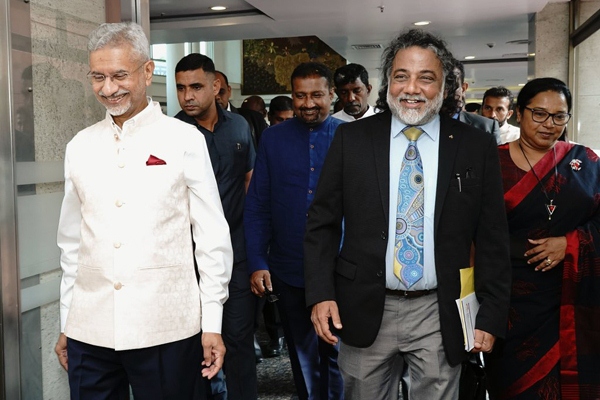
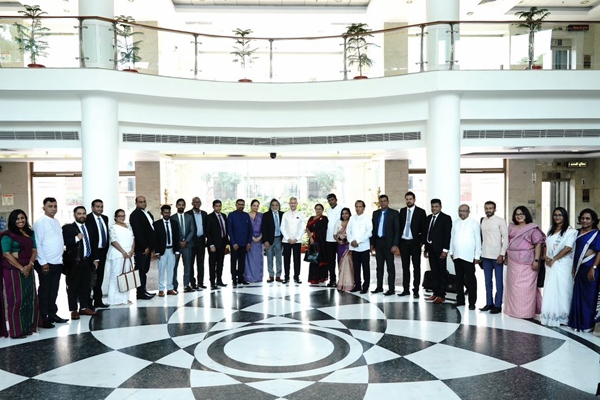
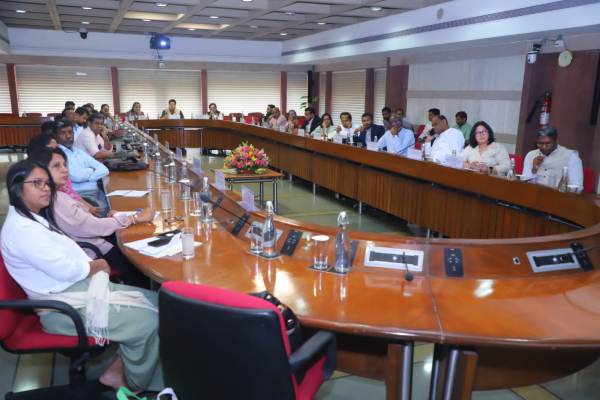
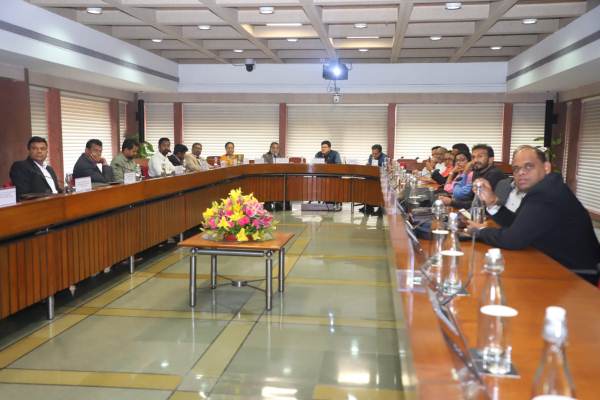
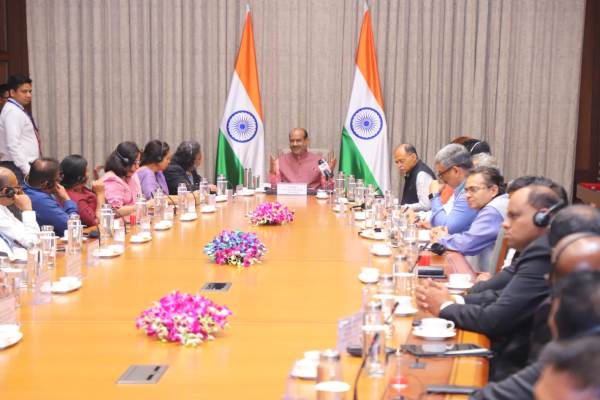
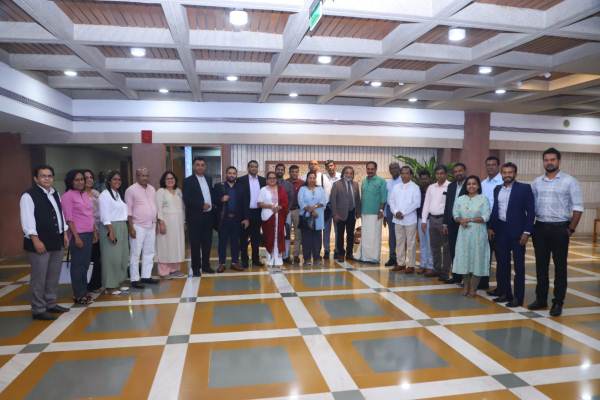
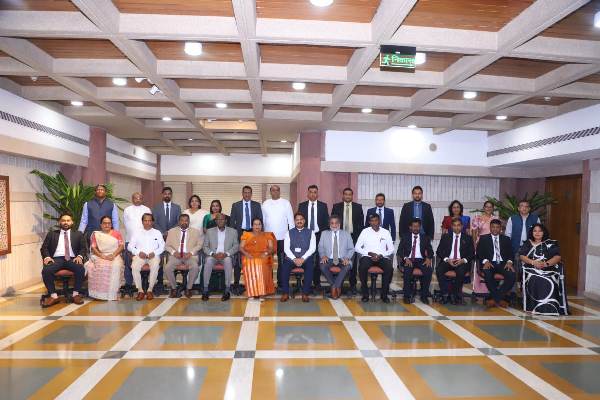
A high-level Parliamentary delegation from Sri Lanka, led by Hon. (Dr.) Rizvie Salih, MP, Deputy Speaker and Chairman of Committees, participated in a Capacity Building Programme in India from 25th to 31st May 2025. The programme was organized by the Bureau of Parliamentary Studies and Training (BPST), Lok Sabha Secretariat, following an invitation extended by His Excellency Santosh Jha, High Commissioner of India to Sri Lanka.

The delegation included Hon. (Mrs.) Hemali Weerasekara, MP, Deputy Chairman of Committees; Members of Parliament representing the Speaker’s Panel of Chairs; Chairmen of the Committee on Public Accounts (COPA) and the Committee on Public Enterprises (COPE); and other MPs from both Government and Opposition benches. They are accompanied by Mrs. Kushani Rohanadeera, Secretary-General of Parliament, and senior officials of the Parliament Secretariat.

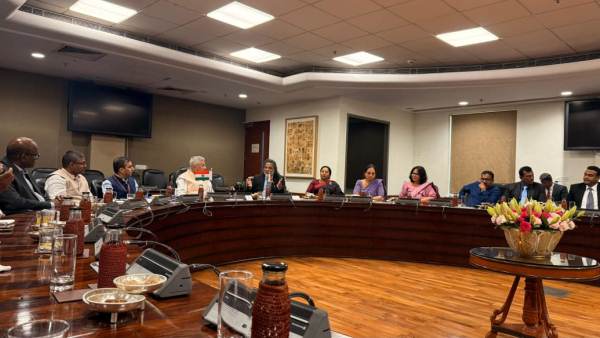
The programme commenced with a welcome and briefing session at the Parliament Library Building in New Delhi on 26th May. This was followed by guided visits to the Lok Sabha, Rajya Sabha, the Central Hall of the Samvidhan Sabha, and Prerna Sthal, providing a comprehensive orientation on the institutional and historical significance of Indian parliamentary democracy.

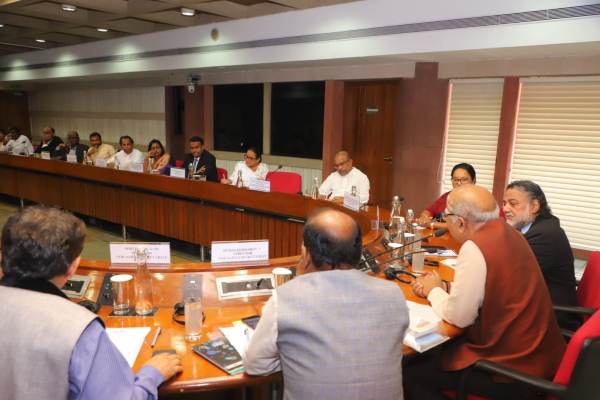
On Tuesday, 27th May, the delegation participated in Financial Committees in the Indian Parliament: Conducted by Shri H. Ram Prakash, Joint Secretary, and Shri Muraleedharan P., Director, Legislative Services, the session outlined the core financial committees, especially the Public Accounts Committee (PAC), which is chaired by the senior Opposition Leader. The PAC scrutinized the reports of the Auditor General. Notably, proceedings of this committee are not open to the media.

Departmentally Related Standing Committees (DRSCs): Led by Dr. Satyapal Singh, Former MP, the session explained how these committees analyze the Demands for Grants submitted by Ministries in the Appropriation Bill.

Parliamentary Questions and Public Importance Matters: Conducted by Mr. NK Premachandran, MP, this session highlighted that 20 questions are permitted each day during Question Hour. Ministers are granted 14 days of notice to respond, and written answers are laid on the Table of the House by 10:30 a.m.

These engagements offered valuable insight into India's robust oversight and legislative systems, enabling comparison and learning opportunities for Sri Lankan Parliamentarians.

The delegation visited the Unique Identification Authority of India (UIDAI) headquarters in Delhi on Wednesday, 28th May. They were welcomed by Shri Bhuvnesh Kumar, IAS, CEO of UIDAI. The visit focused on understanding the digital infrastructure underpinning AADHAAR, India’s unique biometric identification system. The CEO elaborated on its core components, including biometric authentication, data security, and the critical role AADHAAR plays in India’s economic development and public service delivery.

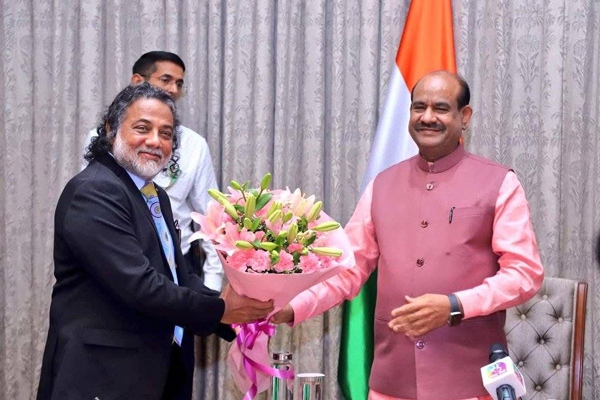
During the visit, the delegation held a courtesy call on Hon. Shri Om Birla, Speaker of the Lok Sabha. Discussions underscored the strong cultural and democratic ties between India and Sri Lanka. Speaker Birla emphasized the importance of joint action against global terrorism and the value of inter-parliamentary cooperation. The conversation also highlighted the transformative role of digital innovation in enhancing transparency and efficiency in legislative processes.

As part of the itinerary, the delegates also visited the Research and Information System for Developing Countries (RIS) and engaged with Prof. Sachin Chaturvedi, Director General, on development strategies and Global-South cooperation.

Met Dr. Subrahmanyam Jaishankar, External Affairs Minister of India, where discussions focused on regional cooperation, India’s “Neighbourhood First” policy, and India’s continued support for Sri Lanka’s economic recovery.

Expressed solidarity with India following the recent Pahalgam attack, condemning the act of terrorism and reaffirming mutual commitments to peace and security.

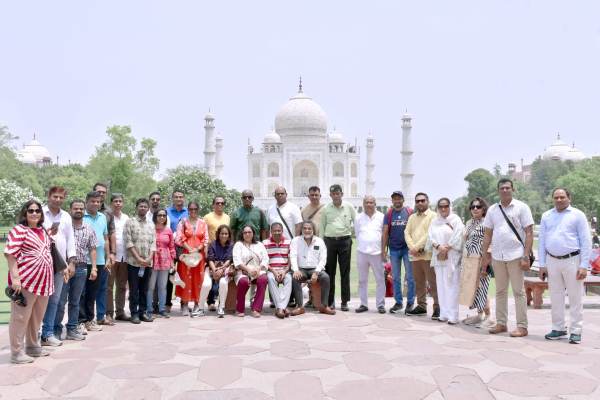
The delegation undertook a cultural visit to Agra, on Thursday, 29th May, where they explored the historic Taj Mahal and Red Fort.

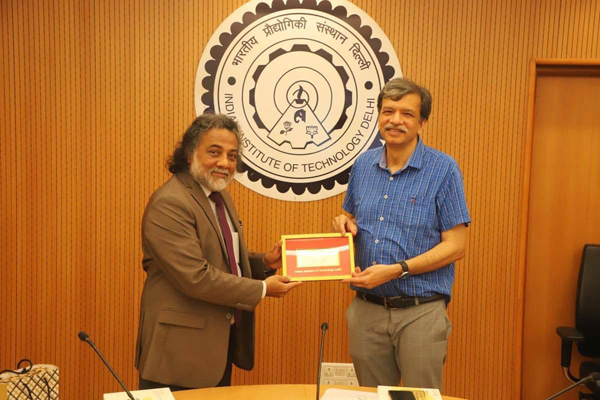
The Capacity Building Programme also includes in-depth discussions on Anti-defection Law, Role of Whips, Legislative and Budgetary Process, Parliamentary Privileges and Ethics, Interactions with Print and Electronic Media, Visits to Delhi Metro Corporation, IIT Delhi, and IT Parks.

These sessions aim to strengthen institutional knowledge, improve democratic practices, and share best practices across Parliaments.

The participation of the Sri Lankan delegation in this programme marks a significant step in enhancing Parliamentary diplomacy, reinforcing mutual understanding, and fostering long-term cooperation between India and Sri Lanka. The initiative also serves as a testament to the shared commitment of both nations to democratic values, technological progress, and regional development.



Related News

2026-11-14

Introducing Sustainable Solutions to Minimise Human–Elephant Conflicts Involving Trains

A number of measures taken with the aim of providing sustainable solutions to prevent elephants from being killed in train collisions have been presented to Parliament. These initiatives aim to reduce elephant deaths caused by train collisions through improved railway infrastructure, staff awareness, habitat management and the introduction of modern surveillance and detection technologies.These details were revealed in the written response of the Hon. Minister of Environment, Dr. Dhammika Patabendi tabled, to questions raised by Hon. Member of Parliament Nalin Bandara Jayamaha, seeking oral answers.According to the response tabled in Parliament, the following measures have been implemented:Advanced train sets have been introduced on the Eastern Railway Line of the Sri Lanka Railways Department to improve visibility on both sides of the railway track and enable train drivers to control speed more effectively, and A 27-kilometre stretch of railway track, extending from Gal Oya Junction towards Hingurakgoda and from Gal Oya Junction towards Kantale, has been identified as an area frequently crossed by elephants. A total of 800 concrete blocks have been laid between the railway sleepers to fill the gaps and make it easier for wild elephants to cross the tracks.Since elephants roaming in certain areas, particularly around railway bends, are not easily visible to train drivers, undergrowth has been cleared within a distance of 10 to 20 metres from the railway tracks. Under this initiative, the Department of Forest Conservation has cleared vegetation along 20 Kilometres of railway track.Awareness programmes were conducted on 16 and 17 May 2025 for train drivers, station masters, railway engineers responsible for railway tracks, and assistant train drivers.An allocation of Rs. 25.4 million has been provided to the Department of Irrigation for the construction and improvement of two tanks within the Forest Conservation Reserve encountered when travelling towards Kantale beyond Habarana Railway Station. These tanks are located at a considerable distance from the railway line and will provide alternative water sources for elephants.CCTV cameras have been installed at location 141, Kasikote, between Gal Oya and Minneriya where elephants cross railway tracks. These cameras are monitored through the Anuradhapura Operations Control Centre to observe elephant movements and improve railway safety. Furthermore, a pilot project has been initiated to install thermal detector cameras on trains to identify wild elephants. Continuous testing and research are being carried out jointly by the Sri Lanka Railways Department and the Arthur C. Clarke Institute for Modern Technologies.According to the response tabled, a total of 81 elephants have died after being hit by trains between 2020 and October 12, 2026


2026-11-12

President Anura Kumara Dissanayake Presents the 2027 Budget to Parliament as Minister of Finance

Second Reading Debate to be held from tomorrow (13) until November 20Committee Stage Debate scheduled from November 21 to December 14The Second Reading of the Appropriation Bill for the year 2027 (Budget Speech) was presented to Parliament today (Nov. 12) by the Hon. President Anura Kumara Dissanayake in his capacity as the Minister of Finance.At around 1.30 p.m., the President arrived in the Chamber from his office in Parliament and commenced presenting the Budget proposals. The Budget Speech continued until 6.30 p.m.A large number of invitees, including foreign ambassadors, senior government officials, heads of the security forces and judges, attended the occasion.The debate on the Appropriation Bill for the year 2027 (Budget Debate) is scheduled to be held over 26 days, from November 13 to December 14.The Appropriation Bill for 2027, which was presented to Parliament for its First Reading on October 7, 2026, will be taken up for the Second Reading Debate over seven days, from tomorrow (13) until November 20. The vote on the Second Reading of the Budget is scheduled to be held on November 20 at 6.00 p.m.The Committee Stage Debate on the Appropriation Bill for 2027 is scheduled to be held over 19 days, from November 21 to December 14, including four Saturdays.Thereafter, the vote on the Third Reading of the Appropriation Bill is scheduled to be held on December 14 at 6.00 p.m.


2026-11-12

Announcements by the Hon. Speaker - 12.11.2026

Supreme Court Determination on the “Sri Lanka Cricket” BillThe Hon. Speaker of Parliament, Dr. Jagath Wickramaratne, today (Nov. 12) announced in Parliament the determination of the Supreme Court on the “Sri Lanka Cricket” Bill, which had been challenged before the Supreme Court in terms of Article 121(1) of the Constitution.According to the determination, Supreme Court has determined that the Clause 29 of the Bill infringes Article 14(1) (c) of the Constitution and could be validly passed only with the special majority provided for in Article 84(2) of the Constitution.However, the inconsistency would cease and the Bill may be passed by a simple majority of Parliament upon the Committee Stage amendment proposed by the Court being made.The Supreme Court has also determined that the Clause 7(1) of the Bill infringes Article 12(1) of the Constitution and could be validly passed only with the special majority provided for in Article 84(2) of the Constitution.However, the inconsistency would cease and the Bill may be passed by a simple majority of Parliament upon the Committee Stage amendment proposed by the Court being made.The Supreme Court has further determined that subject to above none of the other provisions in the Bill are inconsistent with any provision in the Constitution.Supreme Court Determination on the “Protection of the State from Terrorism” BillThe Hon. Speaker also informed the Parliament that he has received the Determination of the Supreme Court in respect of the Bill titled “Protection of the State from Terrorism” which was challenged in the Supreme Court in terms of the Article 121 (1) of the Constitution. The Supreme Court has determined that the Bill can be passed by simple majority of Parliament after making the following amendments (Three of them already undertaken by the learned Additional Solicitor General) at the Committee Stage:-•    Clause 26(2) to be amended by inserting the phrase “on the application of such police officer”, with the above insertion, Clause 26(2) must read as follows:-“Upon the production of a suspect before a Magistrate under subsection (1), where the police officer conducting the investigation has reasonable grounds to believe that further extended custody of the suspect is necessary for the purpose of conducting further investigation, the Magistrate may, on the application of such police officer, for reasons to be recorded in writing, authorize such suspect to be held in police custody for a further period not exceeding twenty-four hours.”;•    Clause 59(5)(b) to be amended by substituting the phrase “Court of Appeal” with the “Supreme Court” to make the judicial oversight effective;•    Removal of the Clause 60(7) from the Bill on the basis that it is superfluous; and•    Clause 66(1) to be re-framed as follows:-“An executive Order, directive or direction issued or made under this Act may be questioned in proceedings under Article 126, 140 or 141 of the Constitution.”Supreme Court Determination on the “Immigration” BillThe Hon. Speaker further informed the Parliament that he has received the Determination of the Supreme Court in respect of the Bill titled “Immigration” which was challenged in the Supreme Court in terms of the Article 121 (1) of the Constitution.The Supreme Court has determined that,•    Clause 43(3), in its present form, is inconsistent with Articles 12(1) and 14(1)(i) of the Constitution. However, this inconsistency would cease if Clause 43(3) is replaced and a new Clause 43(4) is inserted in the terms set out in the Determination of the Supreme Court.•    Clause 169, in its present form, is inconsistent with Article 12(1) of the Constitution, having regard also to Article 76. However, this inconsistency would cease if Clauses 169(1) and 169(3) are amended in the manner specified in the Determination of the Supreme Court.•    Clauses 45 and 65, in their present form, are inconsistent with Article 12(1) of the Constitution. However, these inconsistencies would cease if Clause 45(1) is amended and the proposed provision concerning the costs of immigration facilities is inserted with appropriate numbering, as set out in the Determination of the Supreme Court.•    There is no other inconsistency with the Constitution on the grounds considered. Also, the Supreme Court records the undertaking to amend Clause 174 by deleting the word “written”.•    Where the amendments necessary to remove the identified inconsistencies are not effected, the relevant provisions would require the special majority prescribed by Article 84(2) of the Constitution.


2026-11-11

Deputy Chief of Mission of the United States Embassy Meets Hon. Deputy Speaker of Parliament

Mr. Davis Myers, Chargé d’Affaires / Deputy Chief of Mission of the Embassy of the United States of America in Sri Lanka, paid a courtesy call on the Hon. Deputy Speaker of Parliament, Dr. Rizvie Salih, recently. The Secretary General of Parliament, Mrs. Kushani Rohanadeera, was also present on the occasion.The Hon. Deputy Speaker warmly welcomed Mr. Myers and reaffirmed the longstanding ties between Sri Lanka and the United States of America. He expressed his sincere appreciation for the continued support extended by the Government of the United States, particularly during challenging periods, and acknowledged the assistance provided through USAID towards strengthening Parliamentary affairs and institutional capacities.During the meeting, the Secretary General of Parliament highlighted the recent visit of Hon. Members of Parliament of Sri Lanka to the US Congress conducted through the collaboration of the U.S. Embassy in Sri Lanka and the U.S. Congressional Budget Office (CBO). She also recalled the various forms of assistance extended to Parliament, including initiatives aimed at strengthening Parliamentary outreach programmes through USAID.Mr. Davis Myers reaffirmed his commitment to continuing and further strengthening cooperation between the two countries. He also commended the beauty and architectural significance of the Parliament building, as well as the natural beauty of Sri Lanka.Both parties engaged in cordial discussions on matters of mutual interest, including maritime security and measures to combat the drug menace.Mr. Myers also participated in a guided tour of the Parliament building, during which he was briefed on its architectural features and Parliamentary facilities.Ms. Rachel Huggins, Political Officer of the US Embassy, Ms. Nazreen Marikkar, and Political Specialist of the US Embassy were also present on this occasion. 


Copyright © The Parliament of Sri Lanka.

All Rights Reserved.

Design & Developed by  TekGeeks